

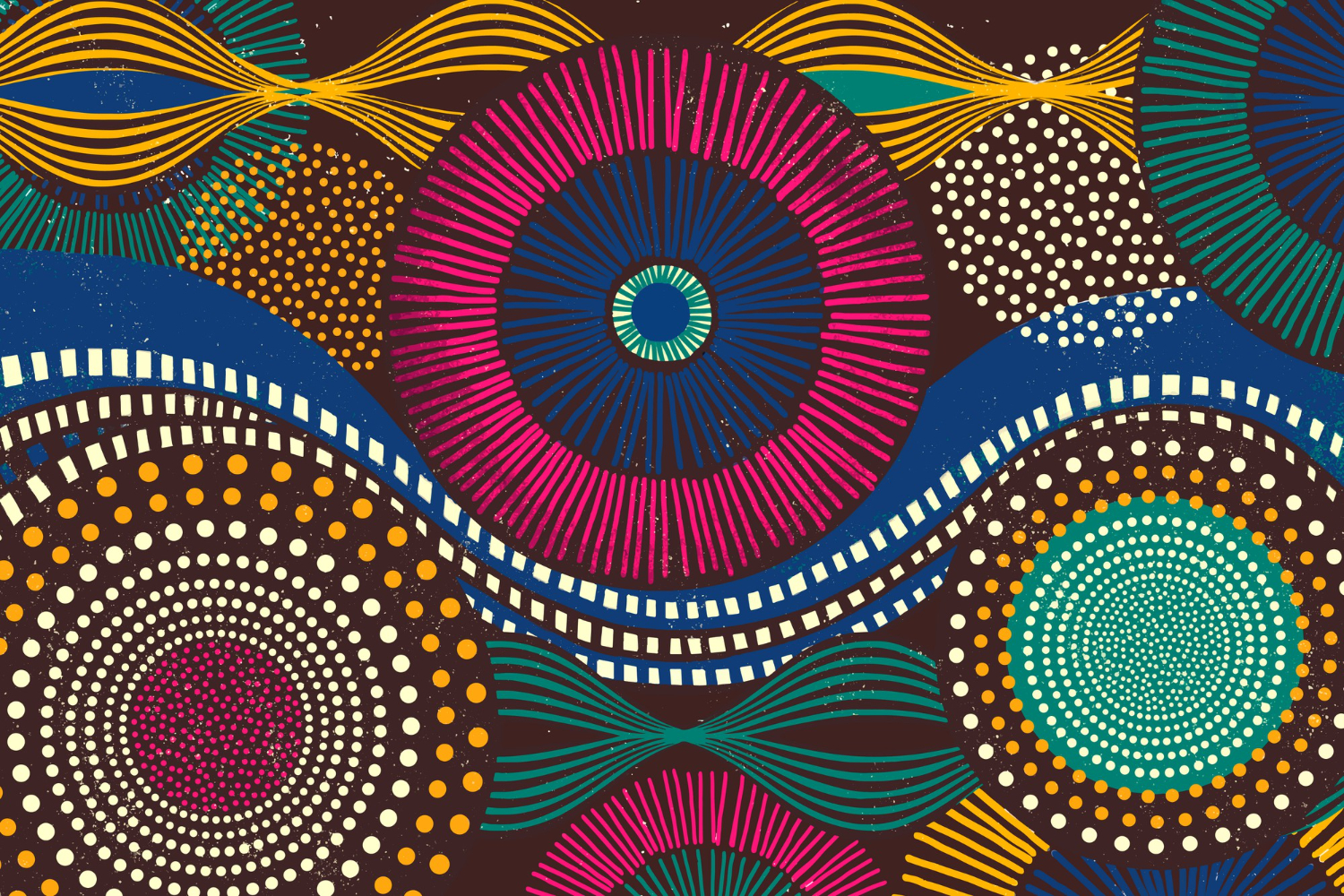
African patterns have long held significance beyond aesthetics—each symbol, motif, and colour tells a story, preserves history, and evokes a deep connection to land, ancestry, and tradition. In recent years, these intricate and expressive designs have emerged as a powerful influence in global interior design, infusing spaces with authenticity, warmth, and soul.
A Rich Heritage of Design
Africa’s design traditions are as diverse as those of its 54 countries, with patterns that vary by region, tribe, and cultural heritage. From the bold geometrics of West African mud cloth (Bogolanfini) to the rhythmic zigzags of Ndebele murals in South Africa, each pattern reflects meaning—protection, fertility, community, or spiritual beliefs. Incorporating these patterns into contemporary interiors goes beyond decoration. It becomes a celebration of African identity, storytelling, and craftsmanship—an artistic bridge between past and present.
Key Elements of African Patterns
Symbolic Geometrics
African patterns often feature strong geometric elements—triangles, squares, spirals, and chevrons—with symbolic meanings attached to each shape. These elements introduce structure and rhythm to interiors, offering depth and cultural nuance.
Vibrant Color Palettes
Earthy ochres, sun-baked reds, indigos, vibrant oranges and yellows are central to African-inspired designs. These hues reflect the continent’s natural landscapes and are often balanced with neutral tones to avoid overwhelming the space.
Natural Materials
Textiles like kuba cloth, sisal, raffia, and barkcloth are crafted by hand using age-old techniques. These natural fibres bring texture and authenticity, enriching spaces with tactile beauty and groundedness.
Storytelling Through Motifs
Whether it’s Adinkra symbols from Ghana or Tuareg leatherwork from North Africa, African patterns are often narrative tools. Including these motifs in home décor—via rugs, cushions, or wall hangings—invites meaningful dialogue and cultural appreciation.
Integrating African Patterns
Modern designers are finding creative ways to blend African aesthetics into minimalist, industrial, and bohemian interiors. Here’s how homeowners and designers are embracing the trend:
Accent Art Pieces
Murals or framed textiles featuring bold African prints are striking focal points in living rooms and hallways. Even a single hand-painted canvas can transform a sterile space into one with personality and presence.
Textiles and Upholstery
Reupholstering chairs or sofas with African print fabric—like Ankara or mud cloth—adds cultural flair and vibrancy to modern furniture. Cushions, throws, and curtains offer low-commitment options for seasonal refreshes.
Flooring and Rugs
African-inspired rugs with tribal motifs and earthy tones anchor a space while providing warmth. These rugs pair beautifully with contemporary furniture and wood flooring.
Sculptural Décor and Ceramics
Incorporating handcrafted pottery, masks, or woven baskets from African artisans adds authenticity and supports traditional makers. These elements often double as conversation starters.
Cultural Consciousness
The global embrace of African patterns in interior design also reflects a broader shift toward cultural inclusivity, sustainability, and conscious consumption. More consumers seek ethically sourced, handmade items that reflect genuine cultural heritage. Supporting African artisans and communities helps preserve traditional skills while empowering local economies.
Myoka Walters | Contributing Writer