
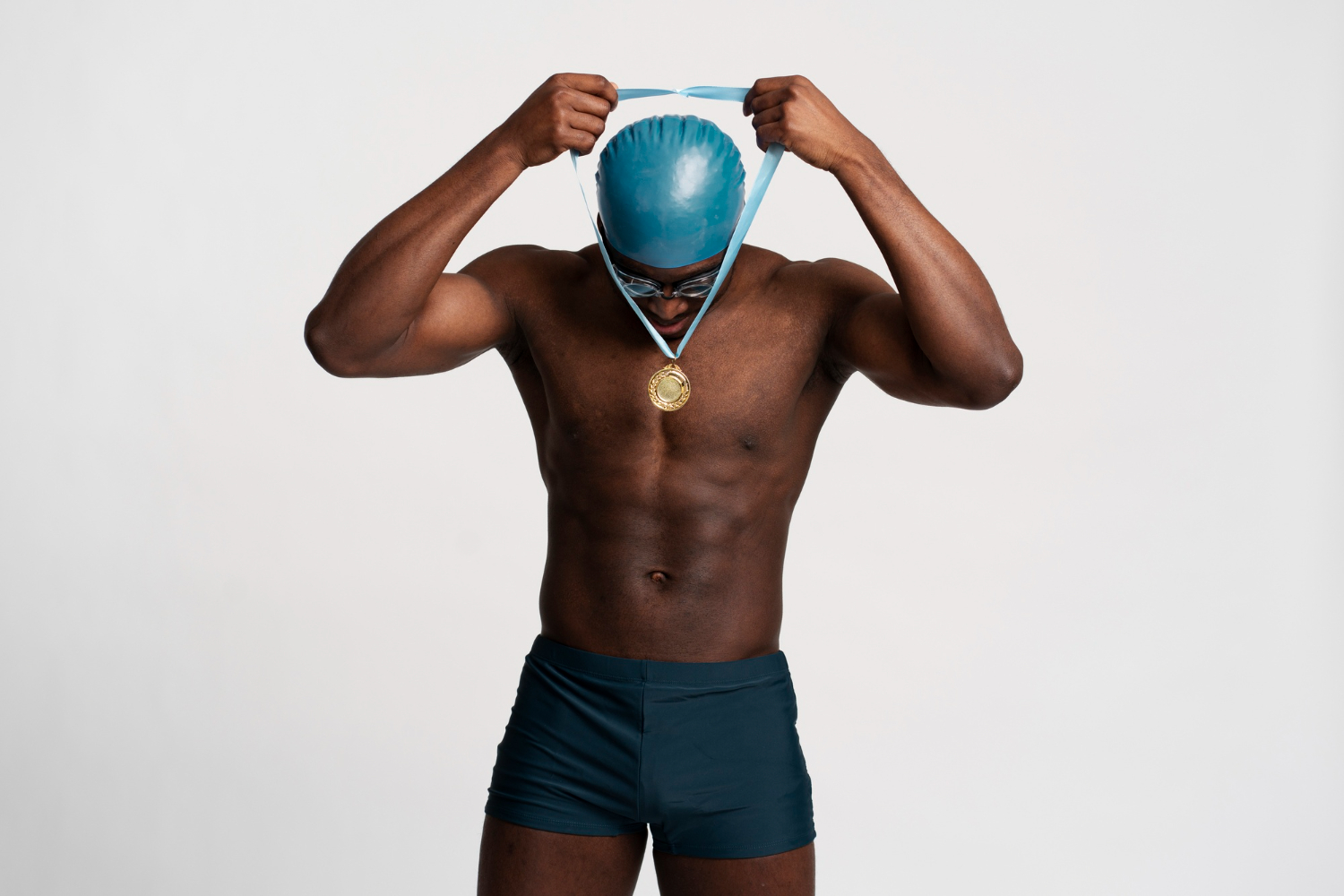
Black athletes have long been the heartbeat of global sports, transforming playing fields into stages of resilience, power, and cultural influence. From breaking racial barriers to redefining what excellence looks like in competition, Black excellence in sports is not just about victory, but legacy, leadership, and lifting generations.
Breaking Barriers and Making History
The story of Black athletes begins with pioneers who challenged segregation and exclusion. Icons like Jackie Robinson, who broke Major League Baseball’s colour barrier in 1947, and Althea Gibson, the first Black athlete to win a Grand Slam tennis title, paved the way for inclusion in historically white-dominated sports. Their success was athletic and a statement of courage against institutionalized racism.
The Rise of Global Icons
Today, athletes like Serena Williams, LeBron James, Simone Biles, and Usain Bolt are more than champions. They are cultural icons, philanthropists, and entrepreneurs. Their presence on the global stage signifies more than athletic talent—it signals power, representation, and the ability to rewrite narratives. Serena’s domination in tennis and Simone’s groundbreaking moves in gymnastics have reshaped how the world sees strength and femininity. LeBron’s leadership extends beyond the court into schools, activism, and business, setting a precedent for socially conscious athletes.
More Than Medals
Modern Black athletes are at the forefront of social change. From Colin Kaepernick’s silent protest against police brutality to Naomi Osaka’s stand for mental health and racial justice, sports have become platforms for advocacy. These acts of resistance echo the work of past legends like Muhammad Ali, whose legacy includes both boxing brilliance and bold political stances. Athletes are leveraging their platforms to advocate for voting rights, equity in education, fair pay, and mental wellness. This blending of sport and social justice has helped shift public perception and influence policies, proving that athletic influence transcends entertainment.
Representation in Ownership
While Black athletes dominate performance, representation in executive roles remains a challenge. However, change is underway. Figures like Michael Jordan, now a former NBA team owner, and Lewis Hamilton, advocating for diversity in Formula One, are reshaping conversations around ownership, governance, and long-term wealth-building in sports. Investment in grassroots programs and mentorship initiatives by former athletes creates pathways for young Black talent to rise—not just as players but as coaches, commentators, and decision-makers.
Impact Beyond the Arena
The impact of Black excellence in sports is beyond game day. Fashion, music, and social media have all influenced athletic culture. From signature sneaker lines to global endorsements and media empires, Black athletes influence how brands engage with diverse audiences and how communities see themselves reflected in mainstream culture. Sports stars are also driving philanthropy. Foundations focused on scholarships, youth development, and health equity are bridging gaps and opening doors for future generations.
The Future of Black Excellence in Sports
With rising stars like Coco Gauff, Giannis Antetokounmpo, and Sha’Carri Richardson, the future is blazing with potential. As they embrace their identities, use their voices, and chase greatness, they continue the tradition of excellence laid by legends before them. More importantly, their stories remind us that Black excellence is not a trend —it’s a testament to what’s possible when talent, opportunity, and purpose align. Black excellence in sports is a legacy of resilience, brilliance, and vision. It speaks to more than physical prowess—it celebrates history, culture, and unyielding determination. As each generation steps onto the track, court, or field, they carry with them the hopes of those who came before and the promise of what’s still to come.
Rosalie Scott-Edwards | Contributing Writer