
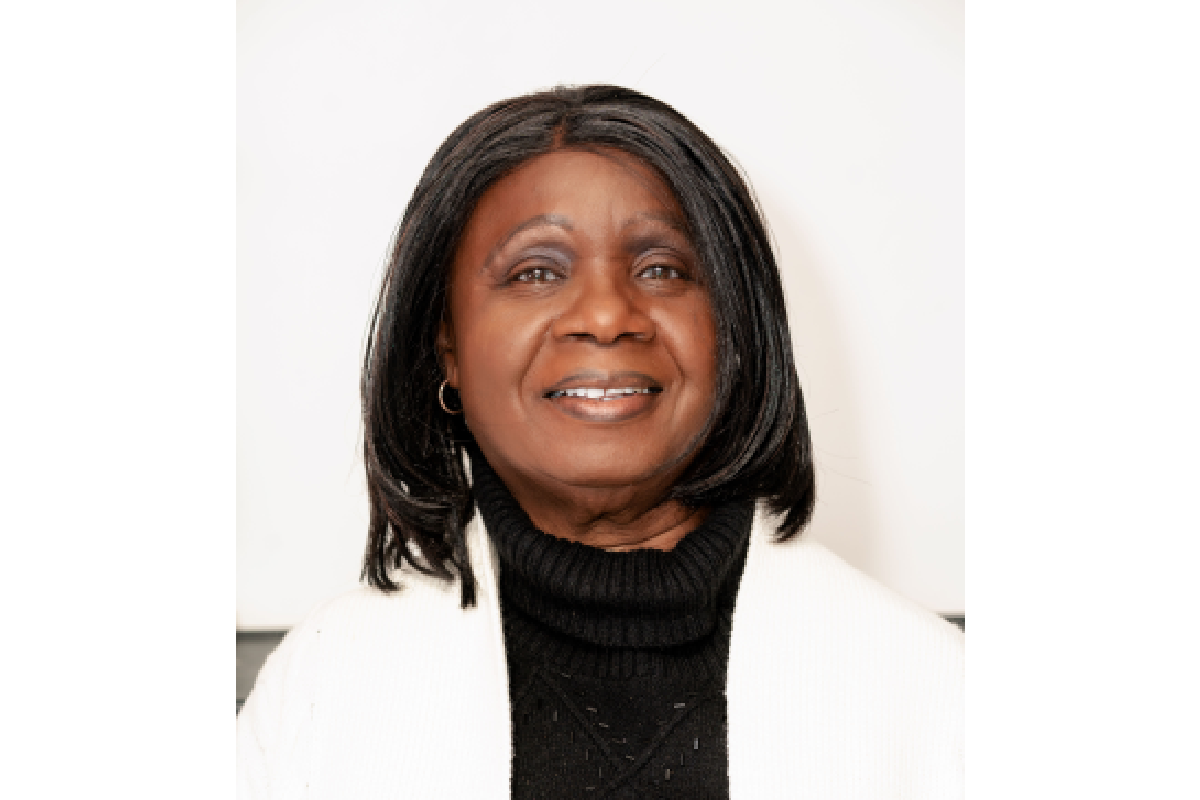
As a cancer survivor, Leila Springer is on a mission to empower other Black women and educate them on the risks associated with breast cancer. Her organization, the Olive Branch of Hope, is designed to build a support system and provide healing and coping strategies for Black women after a breast cancer diagnosis.
Lending a voice to the voiceless, the Olive Branch of Hope encourages open dialogue and challenges policymakers to improve research methods and healthcare policies to better understand breast cancer. Founded in 2001, the Olive Branch of Hope has helped countless women and empowered them to face a cancer diagnosis bravely by offering culturally relevant resources and safe spaces for healing.
The Olive Branch of Hope has won multiple awards for its leadership in advancing equity and raising awareness of breast cancer for women in racialized communities. Most recently, the Olive Branch of Hope was awarded the King Charles III Coronation medal in 2025. Springer spoke to us about her advocacy work, her memoir, and what she would like her legacy to be.
What made you interested in establishing an organization that supports women with cancer?
I was diagnosed with Stage III advanced breast cancer 27 years ago. Following my diagnosis, I began searching for information and resources that would help me cope as a Black woman facing breast cancer. I quickly discovered a paucity of information, limited to no research, and very few promotional images of black women that reflected the experiences of Black women. During my treatment journey, I made a commitment that if I survived, I would help ensure that the women who came after me would not have to face the same challenges alone. That commitment led me to establish The Olive Branch of Hope, the first organization in Canada that we knew of at the time dedicated to supporting and empowering Black women living with breast cancer.
Can you tell us about the Olive Branch of Hope?
The Olive Branch of Hope was founded with a simple but powerful mission: to support and empower women throughout their cancer journey. We provide a safe, welcoming, and culturally responsive environment where individuals can share their experiences, build meaningful support networks, and learn healing and coping strategies during and after a cancer diagnosis. Over the years, the organization has grown beyond support services to become a leading voice in education, advocacy, and awareness for Black women and their families. We work to address health disparities, improve access to information and care, promote breast screening that leads to early detection, and ensure that the unique experiences of Black women are recognized within the healthcare system.
You were awarded the King Charles III Coronation Medal in 2025. Can you tell us how it feels to achieve such recognition?
When I received notice that I was to be awarded the King Charles III Coronation Medal, my first thought was, “Thank God, someone noticed.” I felt deeply honoured and humbled that the work I have dedicated my life to—supporting and advocating for women affected by breast cancer—was being recognized at such a significant level. For me, this award is not only a personal achievement but also a recognition of the countless survivors, volunteers, supporters, and community partners who have walked this journey with me. It validates the importance of addressing the unique needs of Black women affected by breast cancer and highlights the impact that The Olive Branch of Hope has had over the past 25 years.
Could you tell us about your memoir, So Glad I Made It?
So Glad I Made It is a collection of journal entries that I wrote throughout my breast cancer journey. It provides a deeply personal account of my diagnosis, treatment, fears, challenges, and triumphs as I navigated life with breast cancer. More importantly, it is a story about transforming a painful experience into a powerful testimony of hope and resilience. The book chronicles not only my cancer journey but also how that experience inspired me to establish The Olive Branch of Hope, the first organization in Canada dedicated to supporting Black women affected by breast cancer. It also follows my path to becoming President of the World Conference on Breast Cancer Foundation. The title itself reflects my gratitude for life and the opportunities that emerged from one of the most difficult periods of my life. My story is a testament to the fact that cancer is not necessarily a death sentence. While the journey is challenging, it can also become the beginning of a new purpose—one that inspires hope, creates change, and positively impacts the lives of women around the world.
Could you share a story of how your organization made a tangible difference in a patient’s life?
One story that remains close to my heart is that of a young Black woman who was newly diagnosed under the age of 30 with breast cancer and felt completely overwhelmed and alone. She told us that she had never met another Black woman living with breast cancer and did not know where to turn for support. Through The Olive Branch of Hope, she connected with survivors who understood her fears, attended our support programs, and gained access to information that helped her make informed decisions about her treatment. Years later, she returned to one of our events as a volunteer and mentor, sharing her own story with newly diagnosed women.
What would you like your legacy to be?
I want to be remembered as someone who refused to accept that Black women should face cancer without information, support, or representation. Through The Olive Branch of Hope, I have inspired women to find their voice, advocate for their health, and support one another. If future generations of Black women have better access to care, greater awareness of their risks, and feel empowered to navigate their cancer journey with confidence, then I will know that my life’s work has made a meaningful difference.
David Messiha | Staff Writer