

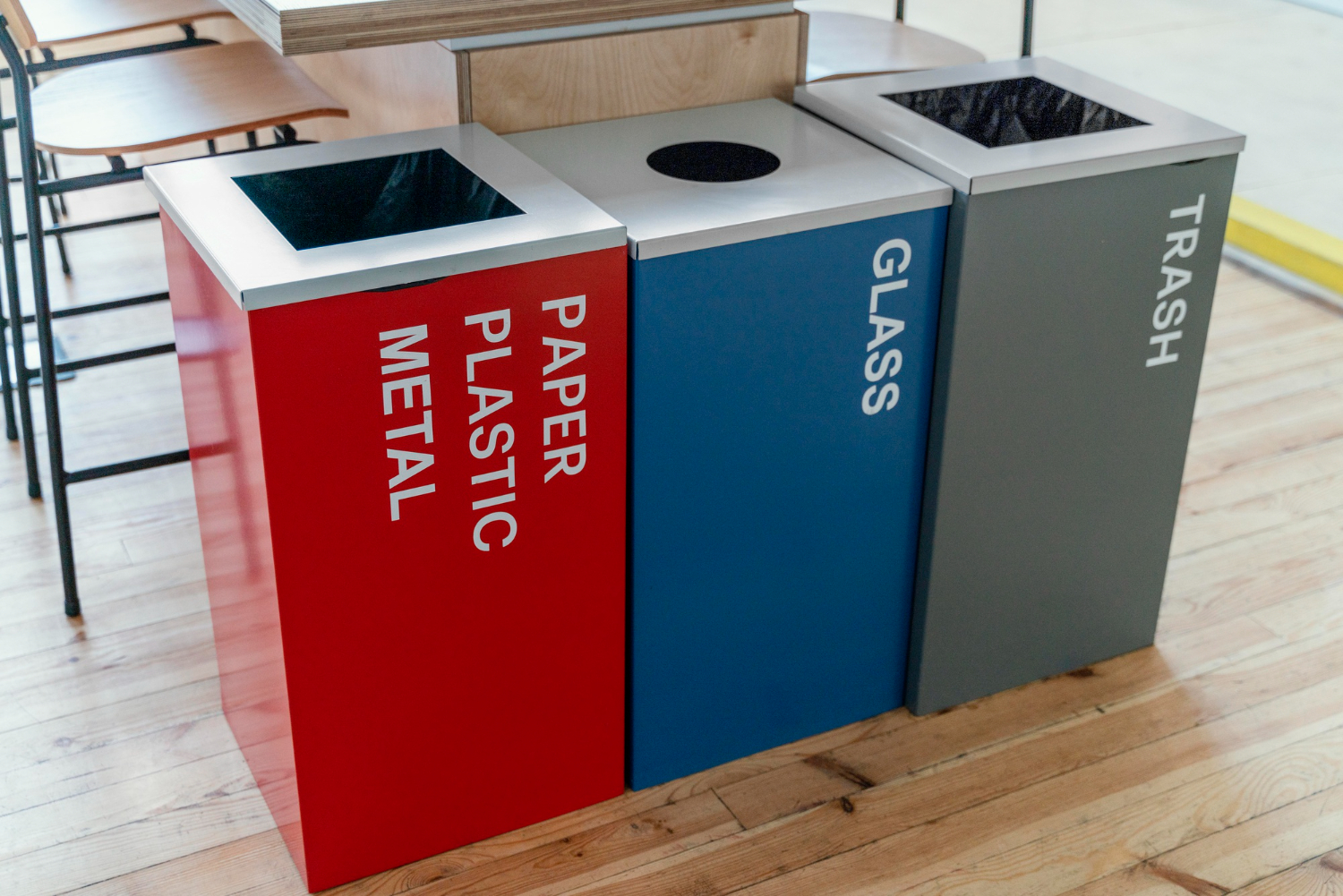
Managing waste at work isn’t easy; it requires a collective effort from everyone in the office. After all, workplace waste management requires a systematic approach to handling, separating, and disposing of waste. The question raised, then, is: why is proper waste management essential for businesses? Let’s look at a few ways.
Why is Proper Waste Management Essential at Work?
Depending on the type of business, each workplace generates its own type of waste. For example, in industrial workplaces, the waste generated might differ markedly from that in a regular office. Nevertheless, both business environments must comply with legal requirements to dispose waste responsibly.
Businesses might generate different types of waste, including packaging, materials, food waste, and electronic waste. Proper disposal through recycling and reuse minimizes environmental impact. Proper disposal of waste at work also plays a role in staff health and safety. It prevents hazards such as spills, contamination, pests, and workplace injuries. After all, a clean and organized workplace supports employee well-being.
What are the most common Types of Waste Generated in Office Environments?
When it comes to waste in an office environment, paper dominates most offices. That’s because large volumes of documents need to be printed daily. Offices also have packaging materials like stationery that need to be sorted out, or sometimes newspapers. This stream offers an excellent opportunity for recycling, especially when materials are properly separated from contaminants. That’s not to undermine the fact that offices also produce other types of waste; these could include plastic waste such as bottles, food containers, packaging materials, and plastic cutlery.
There is also organic waste that might be produced, including food scraps, coffee grounds, fruit peels, and other biodegradable materials from kitchen areas and lunchrooms. This often accounts for a significant portion of office waste and offers opportunities for composting. Other waste materials, such as batteries, printer cartridges, old equipment, and small electronic devices, also need to be recycled and require special handling because of the hazardous materials and components they contain.
How do you Implement an Effective Waste Separation System in your Workplace?
Implementing a systematic waste separation program is imperative and requires an initial assessment of the types of waste your office produces. For example, begin by assessing the current waste streams, volumes, and disposal patterns. This evaluation helps you determine the right approach for your waste management strategy.
Once you have conducted an initial assessment, install clearly labelled separation containers for each waste stream. For example, begin by positioning waste baskets and recycling bins in convenient, accessible locations. Each recycling bin must be labelled: one for organics or compost, another for paper, and another for plastics. Include large, easy-to-read text to help your staff differentiate between these distinct bins. You could also include pictures or examples of what’s acceptable and unacceptable; don’t forget to match the colours across all locations where you will be placing your bins.
There are several benefits to proper waste management at the office. Besides keeping the office clean and well-maintained, it can also reduce waste processing costs. Businesses that reduce general waste volume by 50 per cent through proper separation often experience cost savings in monthly waste bills. Proper recycling and waste handling also save businesses from penalties for noncompliance with waste management regulations. Overall, businesses can save money, improve recycling processes, and promote sustainability goals.
David Messiha | Staff Writer