

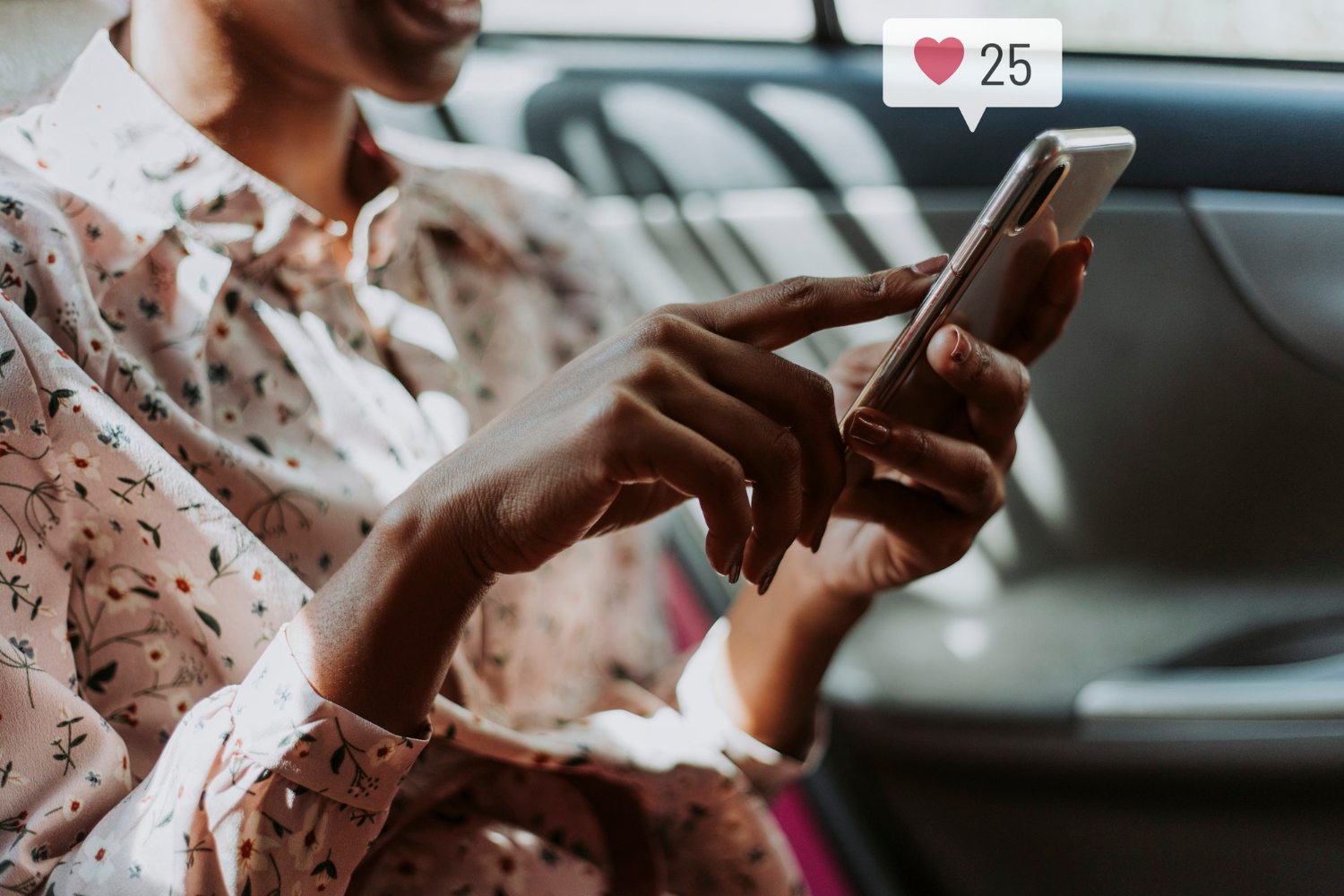
Increasingly, many countries are choosing to ban social media for young people under 16. This comes as no surprise since social media can take a heavy toll on mental health. In the United States, for example, social media companies like X, Instagram and Meta (formerly Facebook) have faced a backlash, including state trials that seek to hold them responsible for harming children’s mental health. The giant social media companies are facing scrutiny that they are not only addictive in nature, but they also dish up content that harm youths’ mental health, resulting in depression, anxiety, cyberbullying, eating disorders, and suicide in some cases.
In Canada, the government has taken strong measures to ban social media for children under 16, following the lead of other countries such as Australia. Most Canadians say they support the bill banning social media for children under 16. The legislation called the Safe Social Media Act is expected to pass, but many don’t know how it will be implemented. Although the United States hasn’t banned social media for children under 16, the US Surgeon General, Dr. Vivek Murthy, has warned that social media poses a profound risk of harm to young people, without singling out specific apps or websites.
Given the excessive warnings about social media, an important question arises: what are its secret dangers? Let’s explore them in more detail.
The Secret Dangers of Social Media
The premise of social media relies heavily on idolizing people’s lives. Many tend to portray a picture-perfect life, often displaying images that show people in slim figures, with ideal waistlines, and an abundance of everything that wealth provides. Yet, this image is far from the reality most people face.
Often, looking at such images breeds feelings of inadequacy, particularly among young people and teenagers who strive to emulate these trends. When young people look at these images online, not only do they feel inadequate, but their self-esteem is also affected. They often compare themselves to others and to what they have, which leads to several problems.
When young people see others with slim waistlines, they think that this is how they ought to be, which often leads to eating disorders. In other cases, people are flooded with compliments in comment sections about their looks, possessions, and achievements, which can make young people think others are cooler than they are and that their lives are perfect. Under the guise of all this, social media usually encourages a presentation of self that is far from the reality of the lives people actually lead. These constant comparisons and pressure to meet unattainable standards often lead to an identity crisis, causing people, especially young ones, to fall into the trap of depression and perpetuate a cycle of discontent.
Social media can also be addictive in nature; many of the algorithms that serve up content on your feed are based on your interactions. Many of these algorithms usually trap users into circles of similar interests and beliefs. For example, a teenager who struggles with body image might be increasingly exposed to unattainable beauty standards, which could in turn snowball into a harmful cycle of poor self-perception, of one’s mental or physical health leading to disorders and anxiety about their body image.
Another thing that social media perpetuates is cyberbullying. After all, online, many people are shielded from face-to-face interaction, and under the guise of anonymity provided by social media, they give themselves permission to say or do things that they might never do in person; that alone can lead to deep emotional wounds that last a lifetime. The pervasiveness of this abuse can have a lasting impact, especially on teenagers, which often leaves long-lasting emotional scars and wounds, leading to isolation and causing some to harm themselves. Those who refuse to acknowledge cyberbullying usually suffer in silence without disclosing this to a family member, adult, or the authorities, and often choose to take their own lives.
Another risk of using social media is the invasion of privacy; many young people do not usually think about how much personal information they share publicly or how it can be used against them or exploited. Once you post something online, it remains there forever and is very hard to delete. Your digital footprint can be easily accessed by hackers and exploited. They can steal everything from your login credentials to your personal identity information and financial details, and randomly sell them or impersonate you to steal money. That’s why it is important to think twice before you post information on social media platforms.
The fear of missing out, also known as FOMO, attracts many to social media platforms. After all, we’re constantly enthralled to learn about the latest trends, what’s going on in other people’s lives and the latest social events taking place. While all this fulfills a need for the connections we crave, and entertainment and self-expression, they can come with a heavy price tag, one that can affect our emotional, physical, and mental health.
This is why parents, educators, and adults must start honest conversations about the pressures we all feel on social media, especially for the younger generation. Social media can be a source of joy when used wisely and in moderation. By understanding its dangers, we can take control, embrace its benefits, and keep its risks at bay!
David Messiha | Staff Writer