
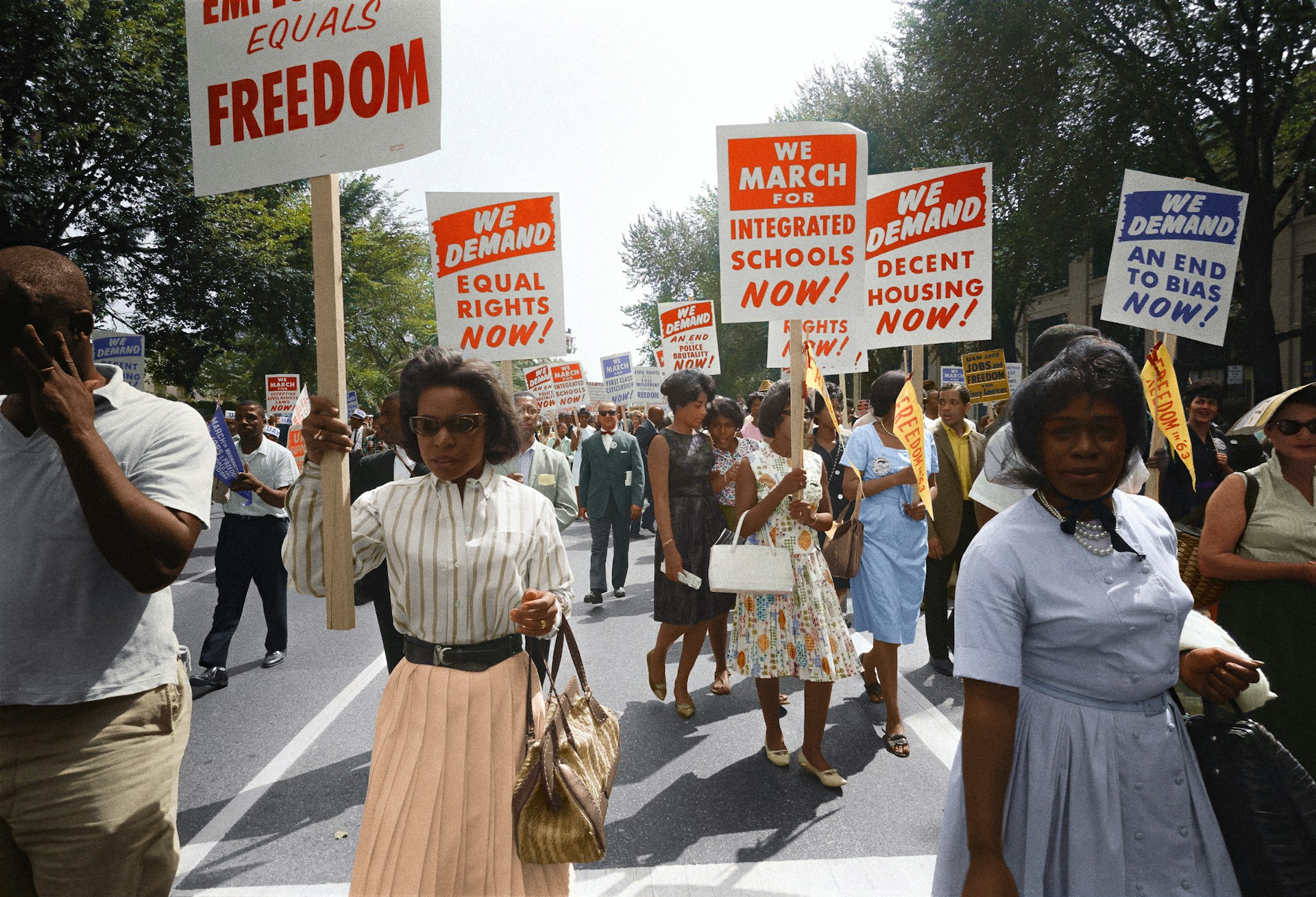
February marks the beginning of Black History Month, when schools, museums and communities come together to remember the achievements and contributions of many in the Black community. Nevertheless, have you ever wondered where this month-long celebration stems from?
The Origins of Black History Month
The history of this month dates back almost a century. It initially began in 1926 and was founded by Carter G. Woodson, who was then known as the father of Black history. At the time, Woodson created what was then known as Negro History Week with the goal to encourage people of all ethnic and social backgrounds to discuss the Black experience.
Woodson was a Black pioneer who founded several organizations, including the Association for the Study of Negro Life and History. He was the first person to establish the field of African American studies. The organization was later renamed the Association for the Study of African American Life and History and is currently one of the oldest historical societies established to promote African American history.
After his death in 1950, members of the Omega Psi Phi fraternity, of which Dr Woodson was a member, pushed for Black History Week to be recognized and celebrated, extending it to a full month. In 1976, President Gerald Ford issued a message to recognize the month, and since then, many American presidents have continued to honour Black History Month.
Celebrating Black History Month
Each year, the Association for the Study of African American Life and History releases a theme to mark the year, a practice Woodson started. Black History Month is gaining increasing recognition. It is not only celebrated in the United States, but also in Canada and other European countries.
For example, in European countries like the United Kingdom, the Netherlands and Ireland, Black History Month is celebrated in October. In Canada, the celebration of Black History Month began in 1995, when African Canadian member of parliament Jean Augustine pushed for its recognition to raise awareness of Black Canadians’ contributions.
In the United Kingdom, when Black History Month was celebrated in 1987, it focused only on Black American history. Gradually, over time, more attention was devoted to the achievements of Black British history. Currently, Black History Month in the UK is dedicated to honouring the achievements of African people and their contributions to the country.
In Canada, Black History Month is marked by several events. For example, in some schools, assemblies or gatherings are held to honour Black leaders. There are also various educational awareness programmes held in libraries and workshops, where books and documentaries are showcased to help students and the public learn about influential Black figures and their history. There are also several cultural events held throughout Canadian cities; some feature musical performances, while others include weaving workshops or movie screenings in honour of Black History Month.
Myth About Black History Month
There are several rumours and myths surrounding Black History Month, including one that the US government specifically chose the shortest month of the year to celebrate it. Nevertheless, that isn’t the case; in reality, Woodson chose February because two prominent figures in the civil rights movement, namely Abraham Lincoln and Frederick Douglass, had birthdays in the week; these two pivotal figures staunchly advocated for the abolition of slavery.
Another myth around Black History Month is that it is only relevant for countries like the United States, since it is only about slavery and the civil rights movement. Although Black History Month began in the US, it is relevant not only to the United States but to the whole world, as it sheds light on the achievements of Black people worldwide, covering a broad spectrum of history, including pre-colonial African history, inventions, art, and other diverse contributions to global society.
For all its worth, Black History Month is important because it honours the struggle of many in the Black community who sacrificed so much to gain freedom. It also highlights a deeper understanding of Black culture and recognizes its ongoing fight for justice, equality, and recognition not just for this generation but also for future generations!
David Messiha | Staff Writer