

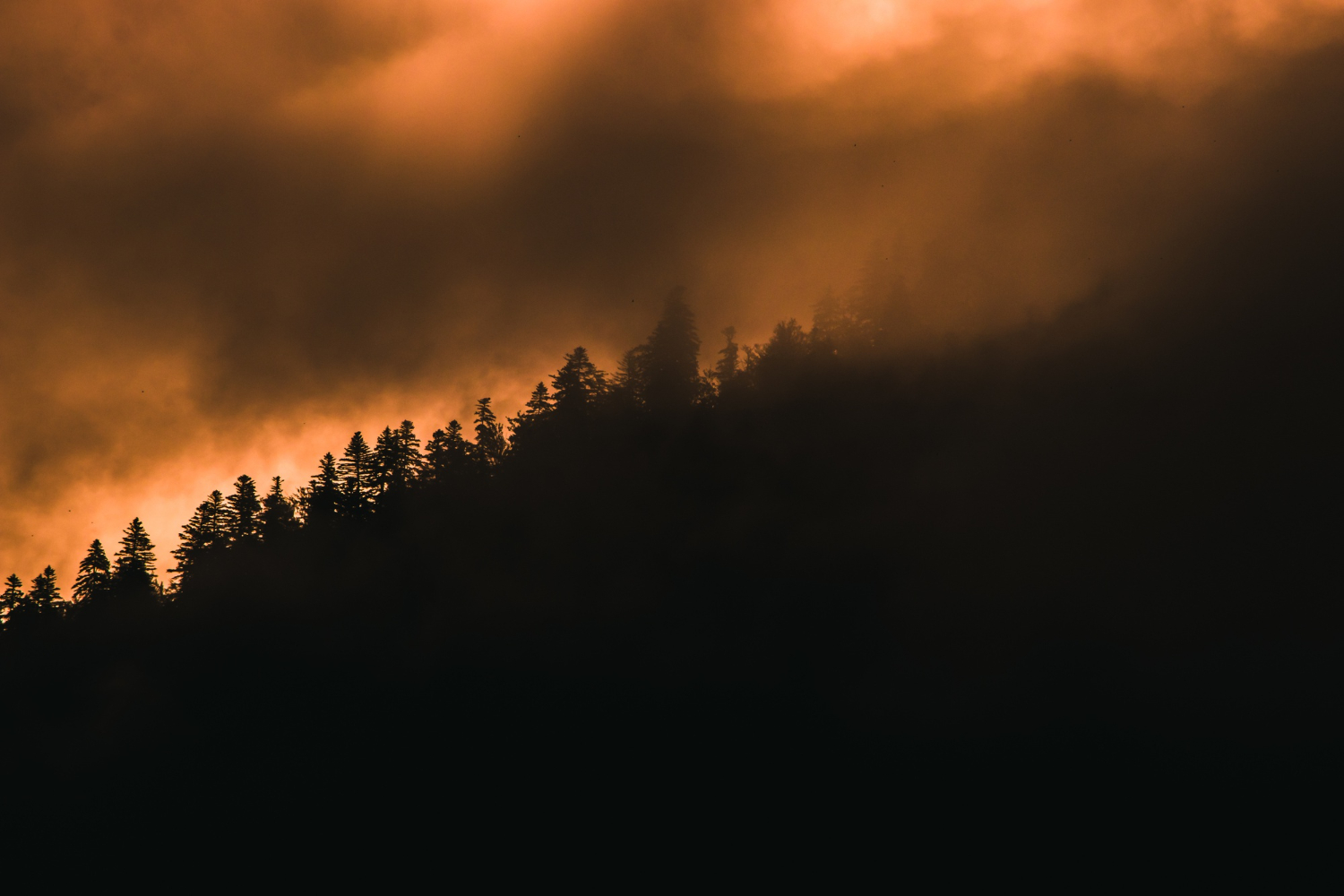
Wildfires are raging this summer season; they are spreading across vast swaths of British Columbia, Ontario, Manitoba, and Saskatchewan. With blistering-hot summers becoming the new norm, it’s only natural that we can expect wildfires to become more persistent in the coming years. Across Canada this year, hundreds of active wildfires have burned millions of hectares, and many have lost homes and property.
These wildfires have been spreading smoke across urban and industrialized communities as well, which certainly carries with it several health risks. Some people are especially vulnerable and can experience severe side effects from wildfire smoke, especially those with asthma, heart disease, diabetes, and other respiratory illnesses. Pregnant women, infants and young children, and people who work outdoors are also at risk.
Here are some practical steps you can take to shield yourself if wildfire smoke drifts into your community.
Check the Air Quality
If you are planning to head outdoors, it’s a wise move to check the air quality beforehand. TV channels and radio stations all provide a brief glimpse of air quality, and so do online portals dedicated to examining it. Air Quality Index values above 100 mean that outdoor air might be unsafe for people at risk of getting sick.
Understand your Risk
Smoke usually exacerbates the risk of respiratory conditions like asthma and chronic obstructive pulmonary disease. If you have any of these conditions, it is important that you exercise more caution than necessary, which entails taking proactive steps like the ones discussed in this blog and avoiding time outdoors.
Consider Wearing a Mask
If you suffer from a condition that poses a severe risk to your health, you should stay inside as much as possible. If you really need to go outside, consider wearing a mask; wear a high-quality mask like an N95. Such a durable mask can help you filter out tiny smoke particles and protect your lungs. Unlike loose-fitting masks, an N95 fits more securely, limiting the amount of smoky air that leaks in around the edges. People with asthma, heart disease, and lung conditions should especially wear a mask.
Seal off your Home
If there is wildfire smoke in your neighbourhood, it is imperative that you seal off your home to make your indoor environment as smoke-free as possible. This means that you should ensure that your windows are tightly shut. If you have an indoor air purifier, it is definitely helpful to put it to good use, as it can play an important role in improving indoor air quality. If you have a central air-conditioning system in your home, consider running it in recirculation mode so that it doesn’t pull in smoky air indoors.
Drink plenty of Water
Drinking water will not protect you from wildfire smoke, but it plays a pivotal role in helping your body cope with its effects. It may ease symptoms such as coughing and a dry throat, and support mucus production to trap any tiny particles that might irritate your lungs. Staying hydrated will also help flush toxins, which can reduce systemic inflammation potentially caused by wildfire smoke exposure.
Seek Comfortable Spaces in the Community
Public spaces like libraries, community centres, and shopping malls can serve as a refuge if your home is exposed to heavy smoke. That’s because these spaces often have large filtration systems that ward off smoke and maintain good indoor air quality.
Start Preparing for the Next Season
As the effects of climate change compound, we can only expect wildfire smoke to get worse each season. That’s why preparing for it in advance might work in your best interest, particularly if you are at high risk. Stock up on N95 masks and make sure that you have a portable air cleaner or HEPA filter. Smaller units can be used to keep one room relatively clean as a place to seek relief. It is also important to ensure that your windows close properly to seal off your home from outdoor smoke. Don’t forget to seal off unused vents or openings that bring in outdoor air.
David Messiha | Staff Writer